


Insurance defense is an important concept that all individuals should be familiar with, as it can significantly impact the protection of their financial interests.
Insurance defense entails providing legal assistance to insurance companies in response to claims made against them by policyholders or others seeking compensation for damages related to policies issued by the insurer.
This blog post will detail what insurance defense covers, how it operates, and why understanding this subject matter is crucial for anyone looking for peace of mind when protecting their investments. Read on to gain a fuller picture of this essential topic.
Definition of Insurance Defense
Insurance defense is the legal practice of protecting insurance companies from claims made by their policyholders. Insurance defense attorneys represent the insurer's interests by defending a claim or lawsuit brought against them and attempting to reduce or deny any liability for damages.
Sometimes, an insurance defense attorney may also handle settlement negotiations and attempt to resolve the dispute out of court. The goal is to protect the insurer from financial losses while providing legal counsel and advice when necessary.
Insurance defense attorneys are well-versed in various areas, including contract law, tort law, negligence, product liability, and premises liability. They are responsible for providing legal guidance to their clients on policy interpretation, coverage issues, and handling claims.
In addition to protecting their clients from claims, insurance defense attorneys can advise on legal matters such as worker's compensation, medical malpractice, and other litigation matters involving an insurer.
They are familiar with all relevant laws in the state or jurisdiction they practice and guide the best approach in specific cases. Insurance defense attorneys are commonly employed by law firms specializing in insurance defense work or may be hired directly by an insurer. Most often, they will represent the interests of their clients in court proceedings or negotiations.
Overall, insurance defense is a highly specialized legal practice that requires expertise in both the law and the insurance industry. Insurance defense attorneys work to protect their clients from financial losses while also guiding them on matters such as policy interpretation and coverage issues.
Types of Claims Covered By Insurance Defense

Depending on their area of specialization, insurance defense attorneys may handle several different types of claims.
These include:
Personal Injury Claims:
An insurance defense attorney can provide legal counsel to insurers if they are sued by someone who has been injured or suffered damages due to the negligence of another party.
Property Damage Claims:
Insurance defense attorneys handle property damage claims, such as construction defects or natural disasters.
Product Liability Claims:
They also represent insurers in product liability cases, which involve allegations that a defective or dangerous product has caused injury to someone.
Professional Malpractice Claims:
If an insurer is sued for professional malpractice, such as an error or omission by a medical provider, insurance defense attorneys will provide legal counsel.
Workers' Compensation Claims:
Insurance defense lawyers handle workers' compensation cases involving employers and employees to ensure the insurer is properly represented.
Overall, insurance defense is a specialized practice that requires knowledge of various areas such as contract law, tort law, product liability, and premises liability. Insurance defense attorneys can counsel insurers on various matters while protecting them from costly claims.
Benefits of Hiring an Insurance Defense Lawyer
There are many benefits to hiring an insurance defense lawyer, including:
Experienced Representation:
Insurance defense attorneys have extensive knowledge and experience in the field and are well-versed in all relevant laws. This means they can provide sound advice and legal counsel when needed.
Cost Savings:
Hiring an insurance defense lawyer can help insurers save money in the long run since they can provide efficient and effective counsel.
Protection from Lawsuits:
Insurance defense attorneys can protect clients from costly lawsuits by providing legal advice and litigating. This ensures that the insurer is properly represented in court proceedings.
Hiring an insurance defense attorney is a wise decision for those needing representation in the insurance industry. An experienced lawyer can provide sound legal counsel and protect clients from costly claims.
How to Choose the Right Insurance Defense Lawyer
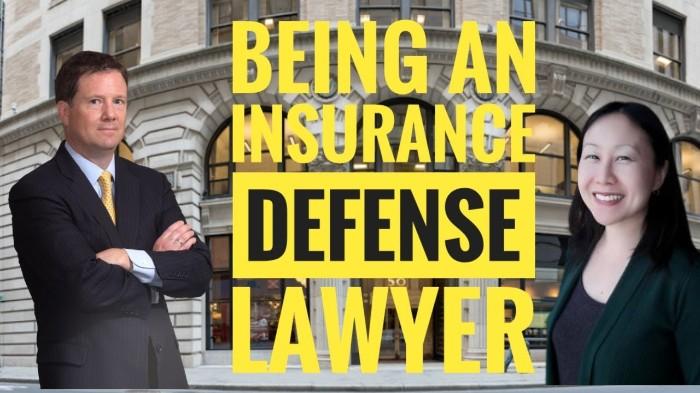
When looking for an insurance defense lawyer, it is important to consider the following factors:
Experience:
It is essential to choose a lawyer with experience in the field. Look for someone who has handled cases similar to yours and can provide sound advice and counsel.
Reputation:
Check the lawyer's reputation by reading online reviews and speaking to former clients. This will give you an idea of how reliable their services are.
Fees:
Be sure to inquire about the fees of hiring an insurance defense lawyer. Ask for a breakdown of all costs to make an informed decision.
Choosing the right insurance defense lawyer is essential for those needing representation in the insurance industry. Be sure to research thoroughly and compare different lawyers before making a decision.
Common Misconceptions About Insurance Defense
There are many misconceptions about insurance defense, including:
Insurance Defense Is Not Necessary:
This is not true. Insurance defense is essential for those who must protect their rights and interests in the insurance industry. An experienced lawyer can provide sound legal counsel and advice.
Insurance Defense Is Expensive:
Insurance defense does not have to be expensive. Research different lawyers and compare fees before making a decision.
Insurance Defense Only Involves Property Damage Claims:
Insurance defense encompasses many areas, such as professional malpractice, product liability, and workers' compensation claims. An experienced lawyer can provide legal counsel on all matters related to insurance defense.
Overall, it is important to understand the realities of insurance defense to make an informed decision. Numerous misconceptions about this specialized practice need to be debunked to make a wise choice.
FAQs
How much does insurance defense cost?
The cost of insurance defense depends on a range of factors, including the amount and type of coverage you have, the complexity of your case, and the experience level of the attorney handling your case.
What Does an Insurance Defense Attorney Do?
An insurance defense attorney is responsible for defending an insured person or organization in the event of a dispute involving their insurance policy. This may include negotiating with opposing parties to settle disputes or representing their client in court.
They also review contracts, policies, and legal documents related to the case to ensure everything is fair and within the law.
Who Does An Insurance Defense Attorney Represent?
An insurance defense attorney typically represents an insured person or organization in the event of a dispute involving their insurance policy. This may include defending them against a third-party claim, such as an auto accident lawsuit.
Conclusion
Insurance defense is an essential component of our legal system, and everyone should know how it works and how it can help protect their interests. By understanding this concept, individuals can ensure that their financial investments are fully protected and will not be subject to the potential losses associated with claims from policyholders or injury victims looking to collect compensation.