
Though it's possible to visit India at any time of the year, first-time visitors should know there are peak seasons. The monsoon rains and the oppressive heat of the tropics mean that sightseeing should be avoided throughout the summer.
If you plan on visiting northern and southern India on the same trip, you should bring clothes suitable for various temperatures. Our Adventure Travel Consultants are a great resource if you have questions about a certain event or destination.
Where Should A Person Start When Planning A Trip?
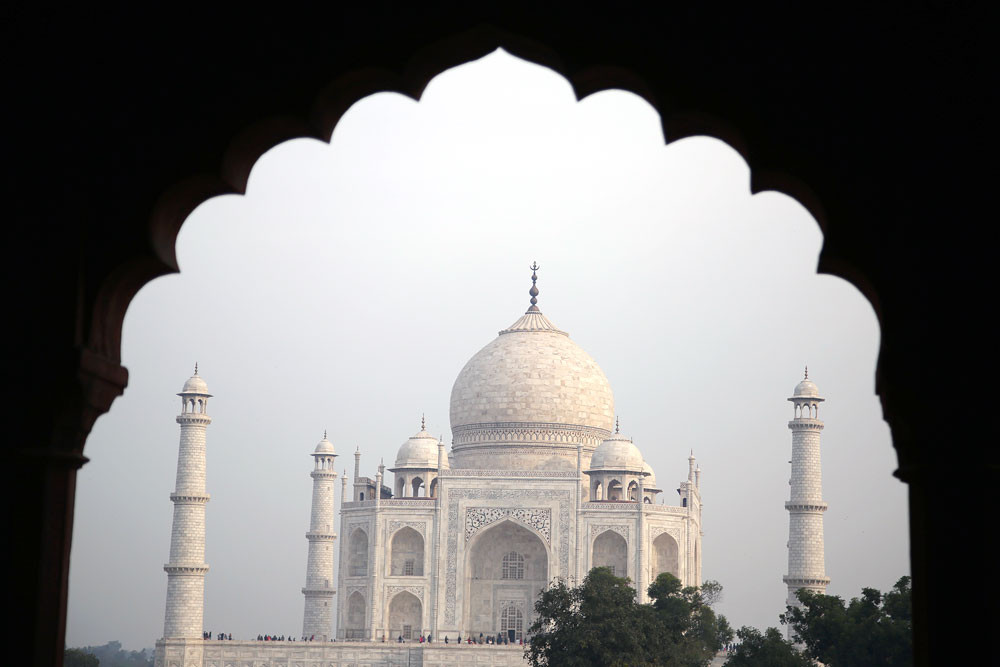
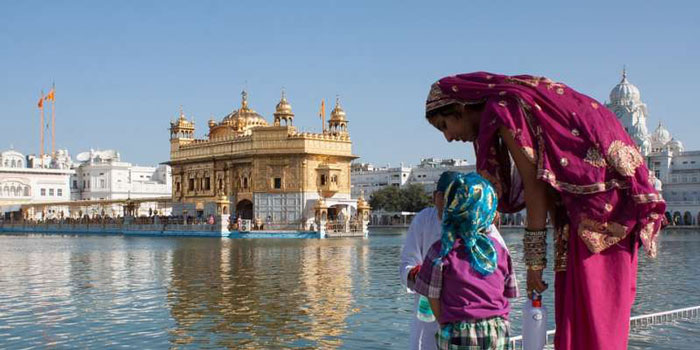
First-timers can't go wrong with the Golden Triangle, which goes around Delhi, Agra, and Jaipur and takes in amazing landmarks such as the Taj Mahal and Amber Fort in a week-long journey; it's the perfect introduction to the nation.
How Should I Pack My Bags?
Our India itineraries include a combination of moderate and full-on speed, so you'll want to wear comfortable shoes as there might be a lot of walking. Carry sweaters and layers for the early mornings when it can get chilly in rural places, and a scarf or shawl to cover yourself while visiting holy sites - it's also advisable to pack long, lightweight pants for this purpose.
We'd also recommend taking antibacterial wipes and hand sanitizer since it's not always simple to clean up before dining or when handling money, and toilet roll, which isn't widely accessible outside of the cities.
India's Best Time To Visit
Although you may visit India any time, first-time visitors should know that there are specific seasons that are more welcoming. The monsoon rains and the oppressive heat of the summer make outdoor activities less appealing throughout much of the country, which has a tropical climate.
If you plan on visiting northern and southern India on the same trip, you may need to prepare for two different temperatures. The south of India is warm year-round, while the north is best visited from October to April. Our Adventure Travel Consultants are a great resource if you have questions about a certain event or destination.
Will I Become Sick?
Not necessarily; most visitors will have a smooth trip, albeit stomach issues are the most common medical concern. Drinking bottled water and using it to wash your teeth is the greatest approach to prevent illness, as is avoiding raw foods like salads, ice cubes, and fruit that you can't peel yourself and sticking to cooked foods like boiled or fried fresh meats and vegetables.
When eating street food, it's ideal to go to a stand with a lot of local foot traffic. Vegans and vegetarians have many options to pick from in India, which is great because so many people in India follow that diet. The best person to ask about acceptable dining options is your Explore Leader.
Is Curry Going To Be All I Eat?
Not at all; there is a wide range of regional specialties throughout India. While curries are the most well-known and tastiest, there is a wide range of regional cuisines in India, from substantial stews in the north to spicy thali platters and freshly caught seafood in the south.
You may use the rice or roti to sop up the sauce, and raita is sometimes offered on the side to tone down the spiciness. Vegetarians and vegans can also choose from many delicious and satisfying choices. Try going on an Indian food expedition to get a feel for the wide range of flavors and styles that make up Indian cooking.
What Cultural Norms Should I Know?
Indians are inherently curious people who would gaze at foreigners freely and may even try to snap pictures of them. It's nothing to be alarmed about; people fluent in English are frequently delighted to have the opportunity to practice their language skills with a foreigner, and they may ask what seems to be a lot of questions to do so.
It's polite to get people's permission before taking their picture, especially if you're in a tribal or religious region, but if you're not sure, check with your Explore Leader. Remember that tipping is always an option.
How Safe Is It For Me To Travel Alone?
Our small group tours are perfect for those traveling without a companion, and there is never a requirement to travel with a single person or pay a single extra. India is a generally secure place to visit.
There are simple methods to prevent hidden dangers, such as not carrying significant amounts of cash and being cool and firm when bartering. It's never a good idea to venture out after dark when you're in an unfamiliar location, but staying with your travel companions is especially prudent in India.